On Wednesday afternoon, I asked Hong Yi if he wanted to have a drink that evening.
The arrangement was simple. The conversation was not.
Here is Hong Yi's X, for anyone who wants to follow him.
I should also thank him for referring two industry friends recently. I had kept that in mind, even if I had not written about it anywhere. When we met, I felt I should say thank you properly.
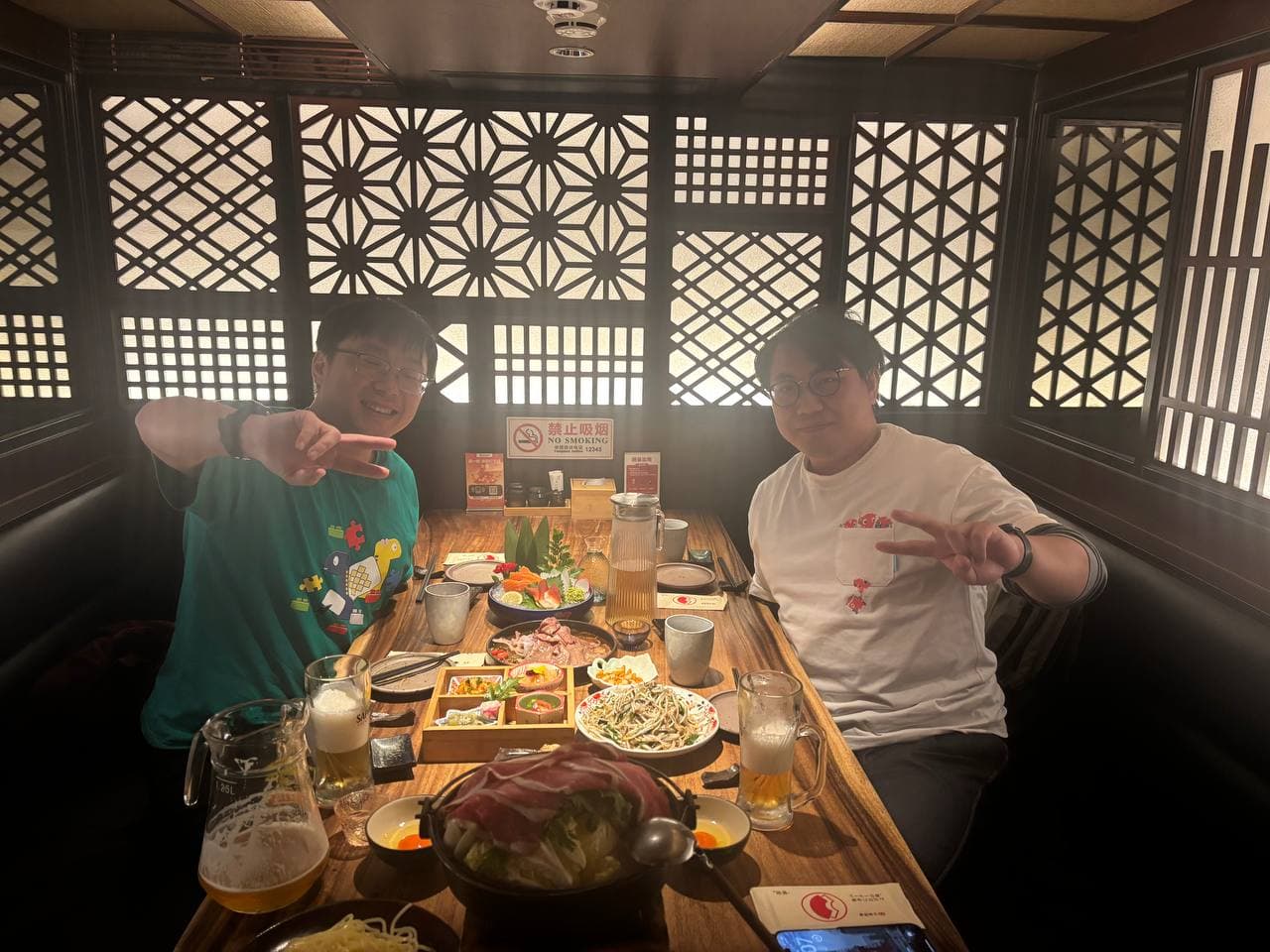
Two years later, we met again. First, a drink.
Dinner in Dalian Two Years Ago
The last time we met was during the National Day holiday in 2024, when we had dinner in Dalian.
I was still at SHEIN then. Looking back, two years is not a very long time, but a lot changed in both work and life: I moved from a traditional cross-border e-commerce unicorn to an artificial intelligence unicorn. Later, both companies went public.
There is something slightly strange about putting those facts together.
At that dinner, neither of us could have known what would happen two years later. Many choices do not come with a clear answer at the start. You step in, keep judging as things unfold, and find a more suitable, sometimes better, opportunity along the way.
I have realised that I may be relatively good at this: finding the right opportunity as things change, and making slightly complicated decisions when the information is incomplete.
That does not mean I choose correctly every time. Real decisions rarely have a standard answer. Often you can only break the problem down, put the risks on the table, and accept the result.
In the AI Era, Responsibility and Decisions May Matter More
We also talked about what a person's core abilities might be in the AI era.
AI can now make a first version of many things: code, product prototypes, research notes, plans, and even a working piece of software from an idea. The cost of creating software is falling quickly.
But someone still has to answer a few questions: Why are we doing this? What should it become? When should it ship? Who is responsible when it fails?
That is why I increasingly think the core human abilities in the AI era may not be “Can I write every line of code myself?” but taking responsibility and making decisions.
AI can lay out the options and reduce a great deal of execution cost, but it cannot take the consequences of a bad decision for you. Being able to judge under incomplete information, limited time, and uncertain outcomes—and being willing to own that judgement—may matter more and more.
What Will GitHub Become?
When we talked about the falling cost of software creation, I thought of something else: GitHub may become more than a code hosting platform. It may become a place that helps us save tokens and lower the cost of creating software.
“Saving tokens” does not just mean writing shorter prompts. It means letting AI reuse context that already exists: code, issues, documents, and real collaboration history. Many things do not need to be explained from scratch every time. Give the repository, its discussions, and its implementation history to AI, and the work becomes much more efficient.
The way software is produced will change, and so will its price. An ordinary software engineer may soon be able to build something that used to require a small team.
That does not mean every product will become equally good.
A product made by an excellent open-source contributor such as yetone may still be significantly better than one made quickly by an ordinary software engineer. The difference is not just the amount of code or familiarity with tools. It is the understanding of the problem, product judgement, trade-offs, and long-term maintenance that eventually gets embedded in the product.
Tools make “building it” cheaper. “Building it well” still requires ability.
Reputation Will Matter More
If software becomes easier to create, reputation between people may become more important.
We talked about an idea that sounds a little like a game score: start everyone at 100 points, then subtract points when a failure happens. The score is not meant to label people or turn every relationship into a cold KPI. It simply recognises that long-term cooperation needs a record.
Whether someone delivers on a promise, speaks up when something goes wrong, and treats other people's trust seriously may not be obvious in the short term. Over time, those things leave traces.
Building trust is a long process.
Software can be built in a day, an account can be registered in a day, and a résumé can be made to look polished very quickly. Trust does not move that fast. It takes many small acts of follow-through, and it can fall quickly after one serious failure.
So if more reputation platforms appear in the future, I suspect they will record not only what someone has done, but also how they do things.
Three Kirin at the End
After we had talked through the theory, I drank three Kirin craft beers.
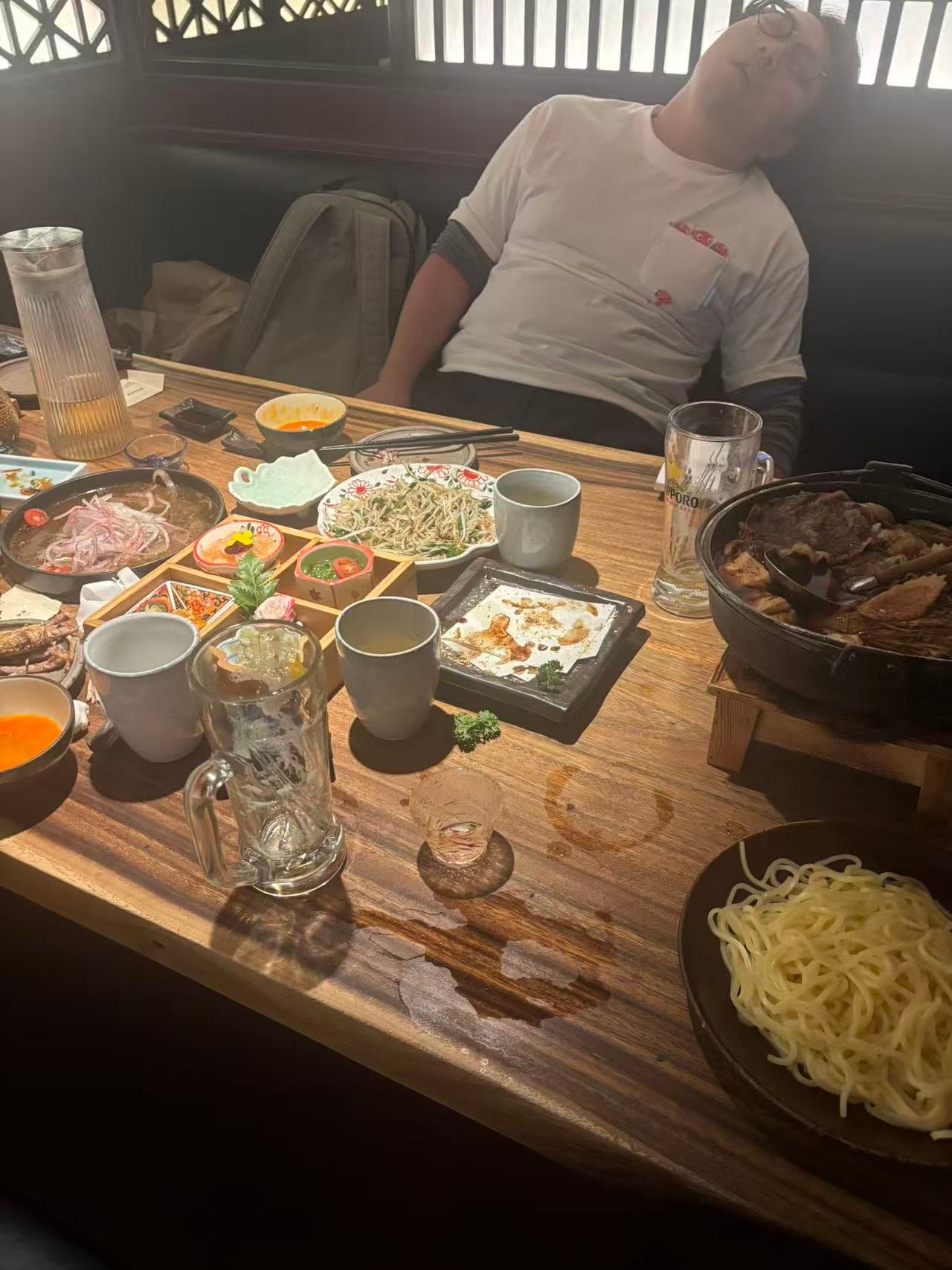
The conversation was going strong, and I leaned back first.
Then I briefly lost consciousness for about fifteen minutes.
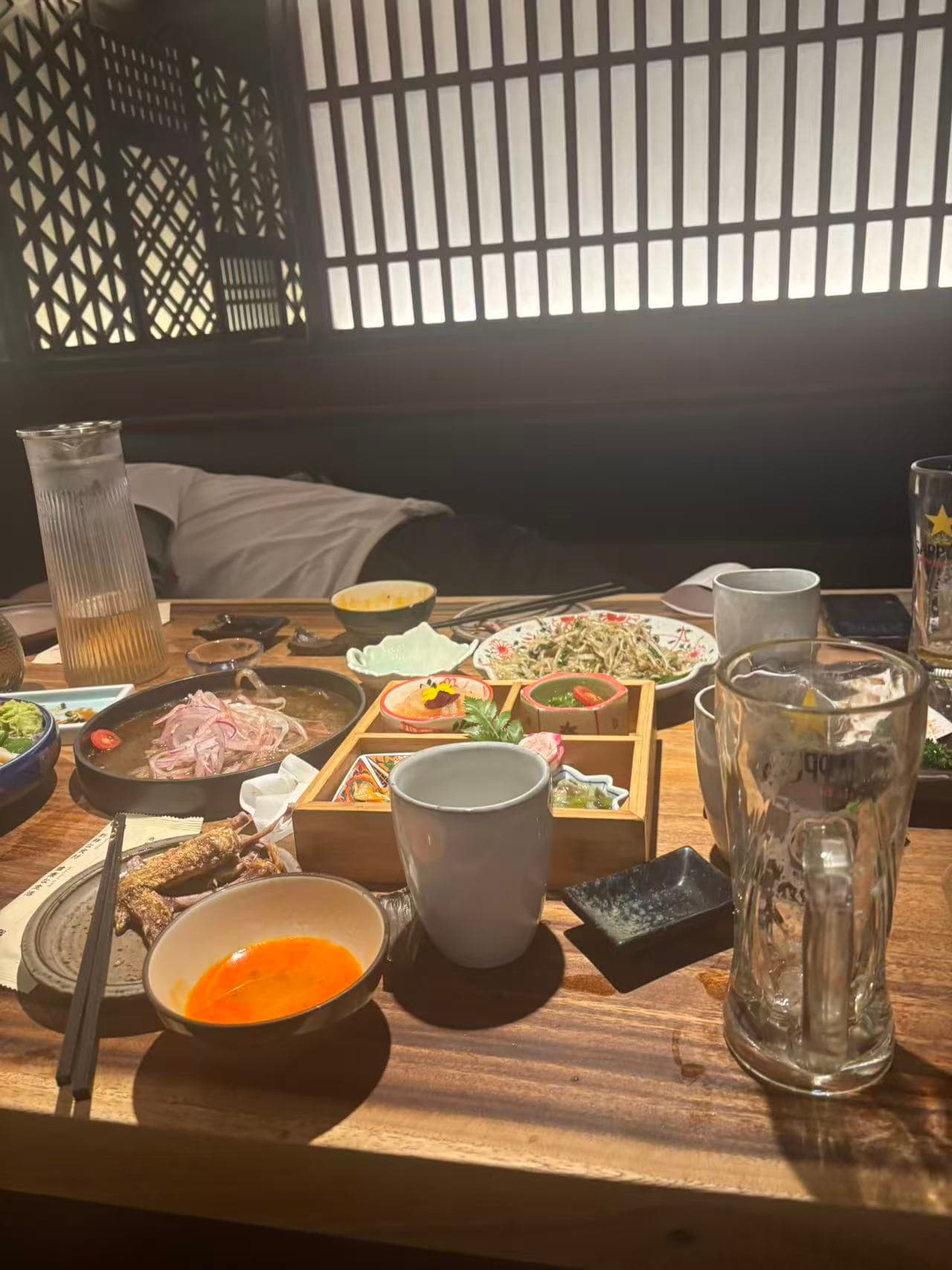
I temporarily left the discussion; the table carried on with dinner.
Hong Yi took me back to the hotel.
It is a slightly embarrassing ending, but it also fits the mood of the evening: we talked about AI, decisions, trust, and the cost of creating software, and in the end someone still had to get me back to the hotel.
Thanks again to Hong Yi for meeting me, and for referring those two friends earlier. When we had dinner in Dalian two years ago, many of these changes had not happened yet. Meeting again made me realise that what is worth remembering may not only be which company someone joined or whether it went public, but also the people met along the way, the decisions made, and whether others are still willing to trust you.
Next time I should drink a little less. We can keep talking about ideas; my consciousness does not need to leave for fifteen minutes every time. 🍻
Comments